Price is usually the first thing people ask about, and it is a fair question. Two briefs that both read “packaging for a new product” can end up a long way apart once you know how many versions are needed and what the pack is made of. This piece goes through what moves the number, so that you can write a brief with those things in mind. The examples come from our own projects, where we know what the work involved.
Scope
Our brief form lists what a project can include: naming, a logo and identity system, product packaging, seasonal and Tết gift packs, a key visual, photography or 3D, film and a website. Each is a separate piece of work with its own place on the calendar. A full brand identity takes eight to fourteen weeks, with three to four more if naming and positioning are included, while refreshing a logo within an existing system takes about four weeks.
What you already have matters almost as much. We ask whether there is a logo, brand guidelines, a settled name and a registered trademark, because starting from guidelines that exist is a smaller job than writing them.
Versions
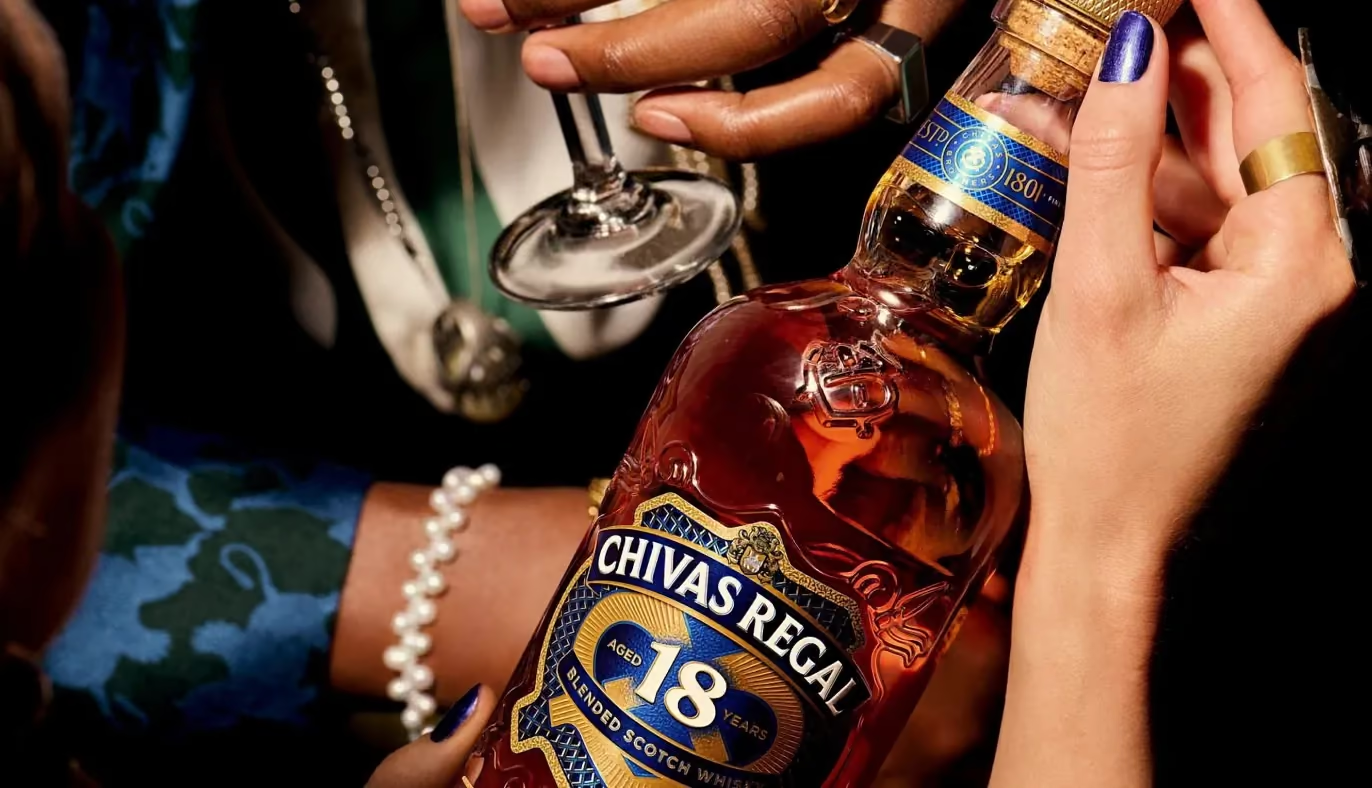
A range of five is a different job from a single pack, even when every pack looks similar on screen. For Chivas Regal’s Tết gift packs, Pernod Ricard Vietnam needed five expressions to read as one family and still be told apart from arm’s length, so we fixed one construction across the range and changed only the stone from pack to pack. The following season, with three packs, was built from the first. Cantina launched three variants at once on a single label architecture.
This matters for a quote because most of the effort goes into the construction, and each variant added afterwards costs comparatively little if the construction was sound. A sixth flavour added to a range like that is a small job. Added to a range drawn pack by pack, it means drawing again.
Materials and finishing
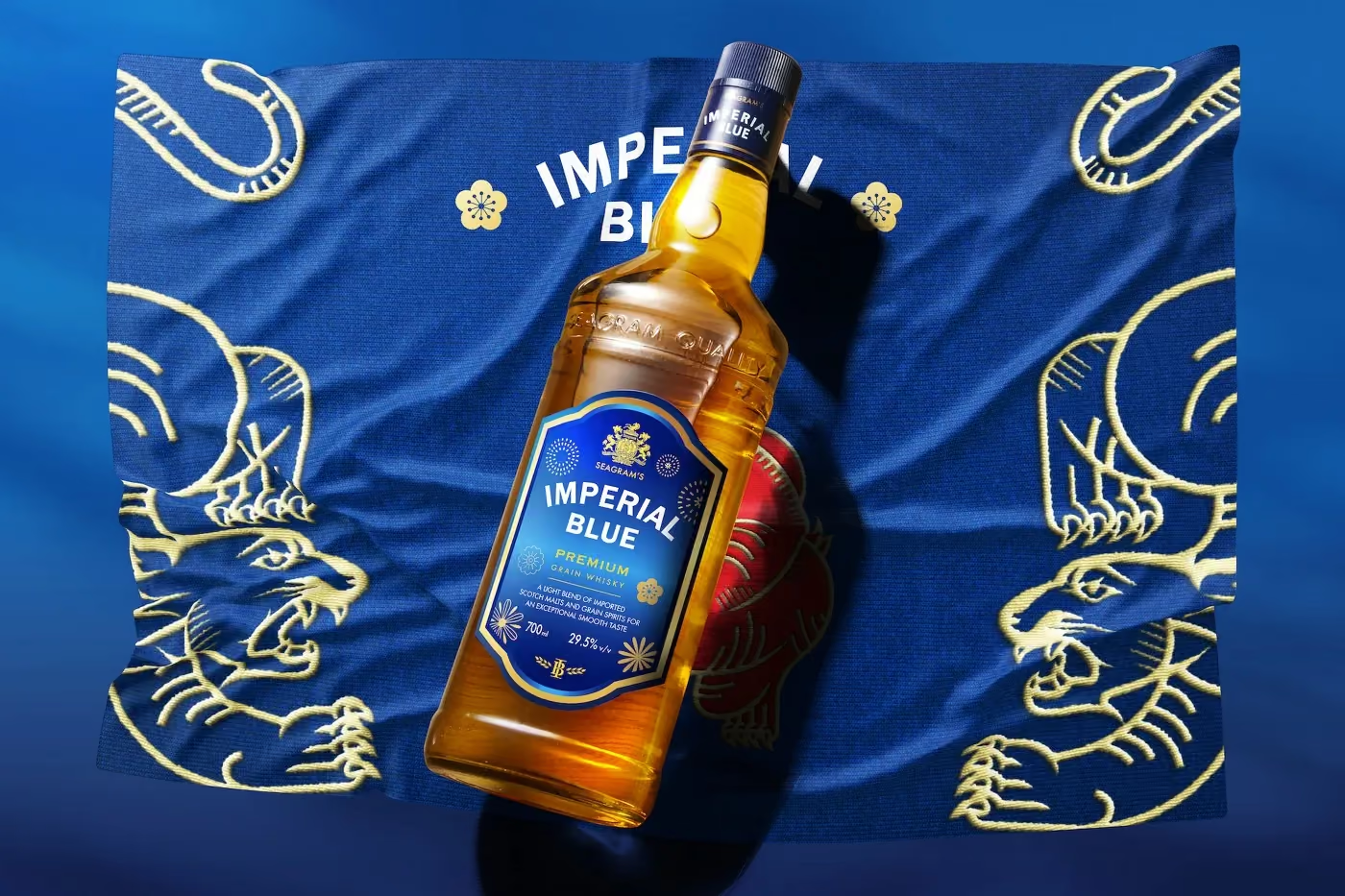
A rigid box instead of folded board adds time, and so do foil and embossing, since each is another pass through the press and another slot on the printer’s calendar. The printers fill up in the same weeks before Tết. Few packs need all of it. At the cost-optimised end is Imperial Blue’s carton for Tết 2022, a single mainstream pack without costly finishing. Its pattern runs across the whole box, so a row of them on a shelf reads as one scene.
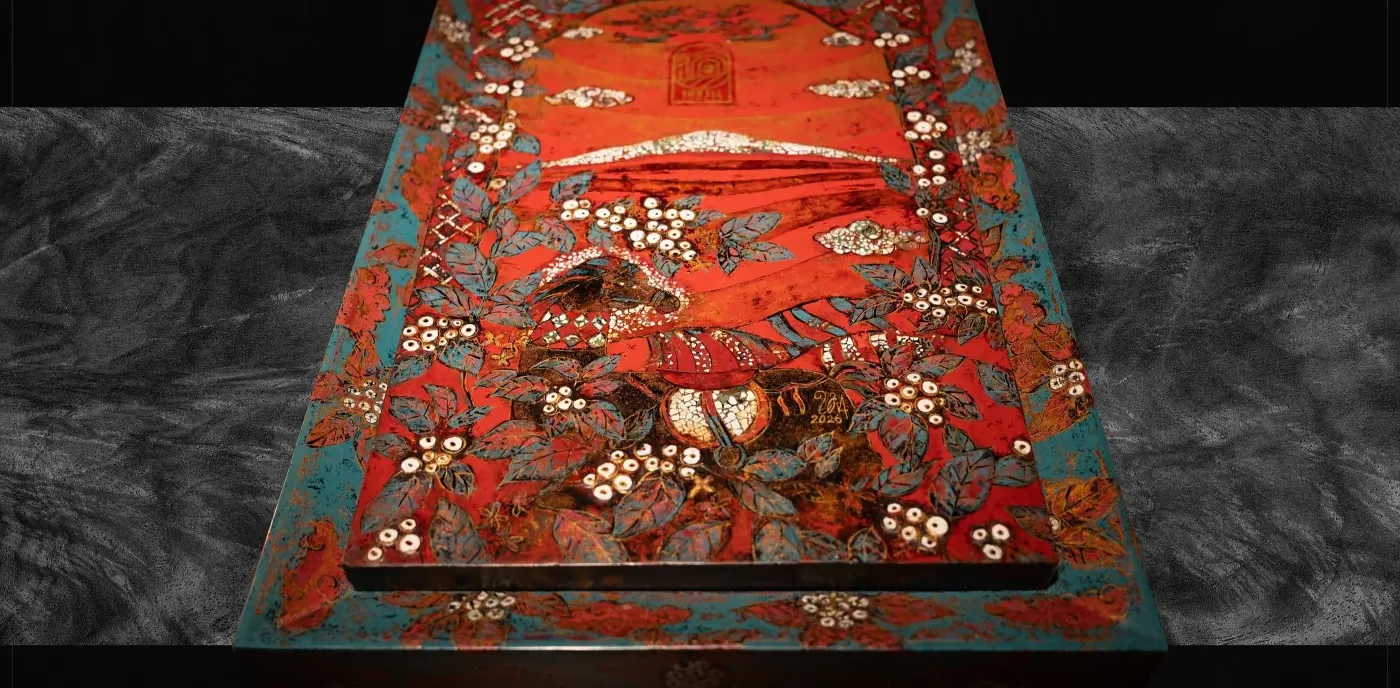
At the other end is the 10Vill Coffee gift box we made with the lacquer artist Đinh Văn Sơn: six months, seven prototypes, more than two hundred roasted eggshells, and MUSE Gold in 2026. The work is done by hand, so a larger printing budget would not have shortened it. What the craft asks of a brief is set out in Vietnamese lacquer and eggshell inlay in packaging design. Most projects fall somewhere between the two, and it is worth settling early how many techniques the pack needs. We compared the gifting formats on time and risk in our VAP, GWP and limited edition glossary. Label finishes are covered in how to design a spirits bottle label for Vietnam.
Production and print
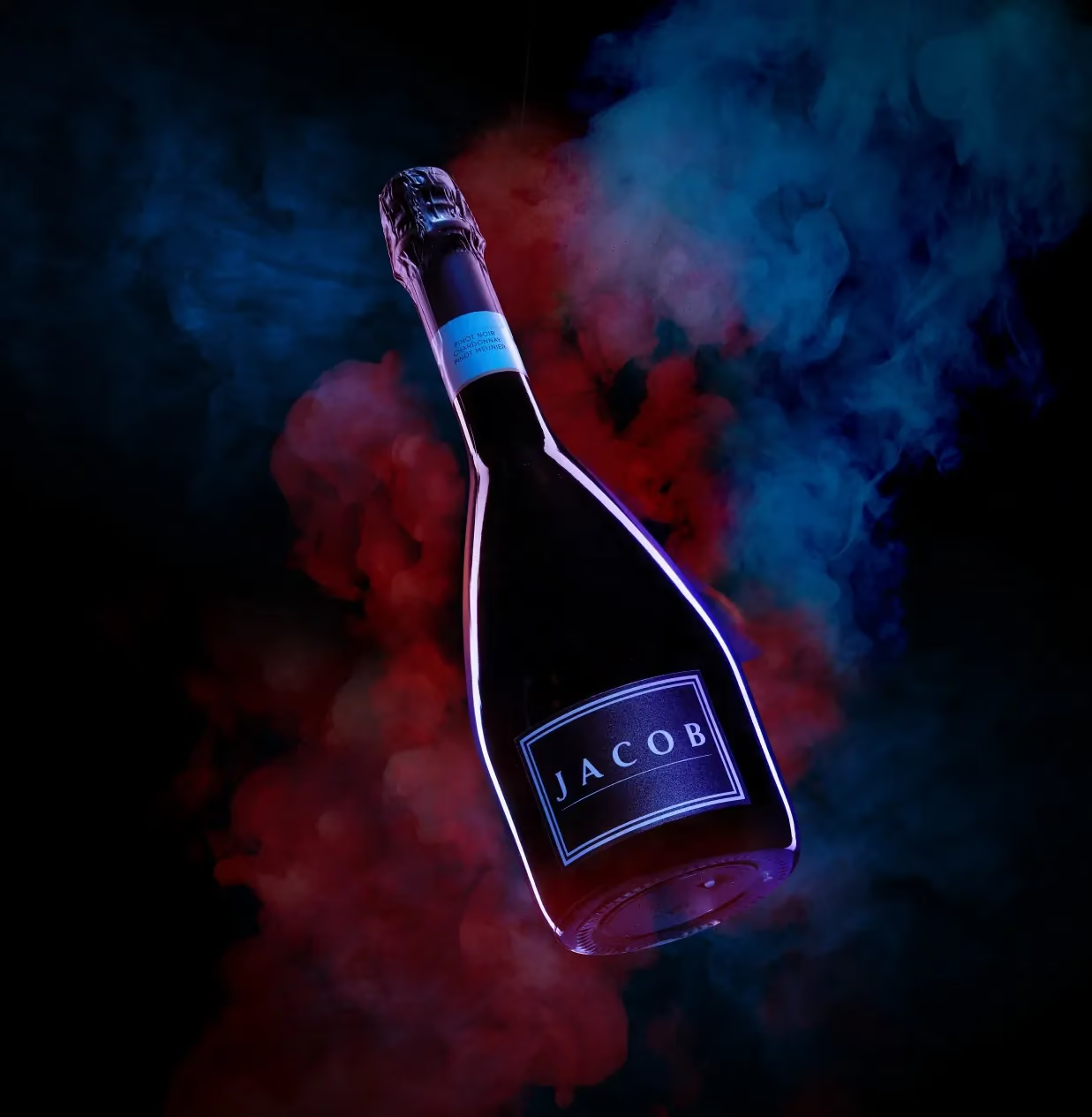
Photography, film and 3D can be as large as the packaging they support. A shoot has a crew, a set, lighting and retouching, and 3D has modelling and rendering. For packs and products 3D is often faster and lets you change a label without reshooting, and we say which one a brief needs. For Jacob’s Creek, a sparkling cuvée and a gift set came out as thirteen finished frames, with studio work, a built set and retouching, all under one lighting rule: the label is the light source.
We don’t print ourselves. Supervising the job on press takes time, though, and the brief asks whether we should look after the printer too.
Time and approvals
A short deadline forces work that would normally run in sequence to overlap, and approvals add waiting, especially when the guidelines are reviewed in Paris or London. Concept work takes time as well. For the yellow tail gift carton for Tết 2026 we presented three routes and produced one, and the time spent on the other two was real even though they never reached a shelf.
For spirits, Tết sets the deadline, and the Tết packaging playbook lays out the months. A brief that arrives after the printers’ slots are taken usually calls for a smaller project, such as a gift box around the existing bottle in place of a new primary pack. That route is quicker and more cost-efficient, and the trade-off is covered in limited edition for Lunar New Year. We also ask when the work has to be live and whether kick-off is within two weeks, because a rushed start changes how the work has to be planned.
Mascots
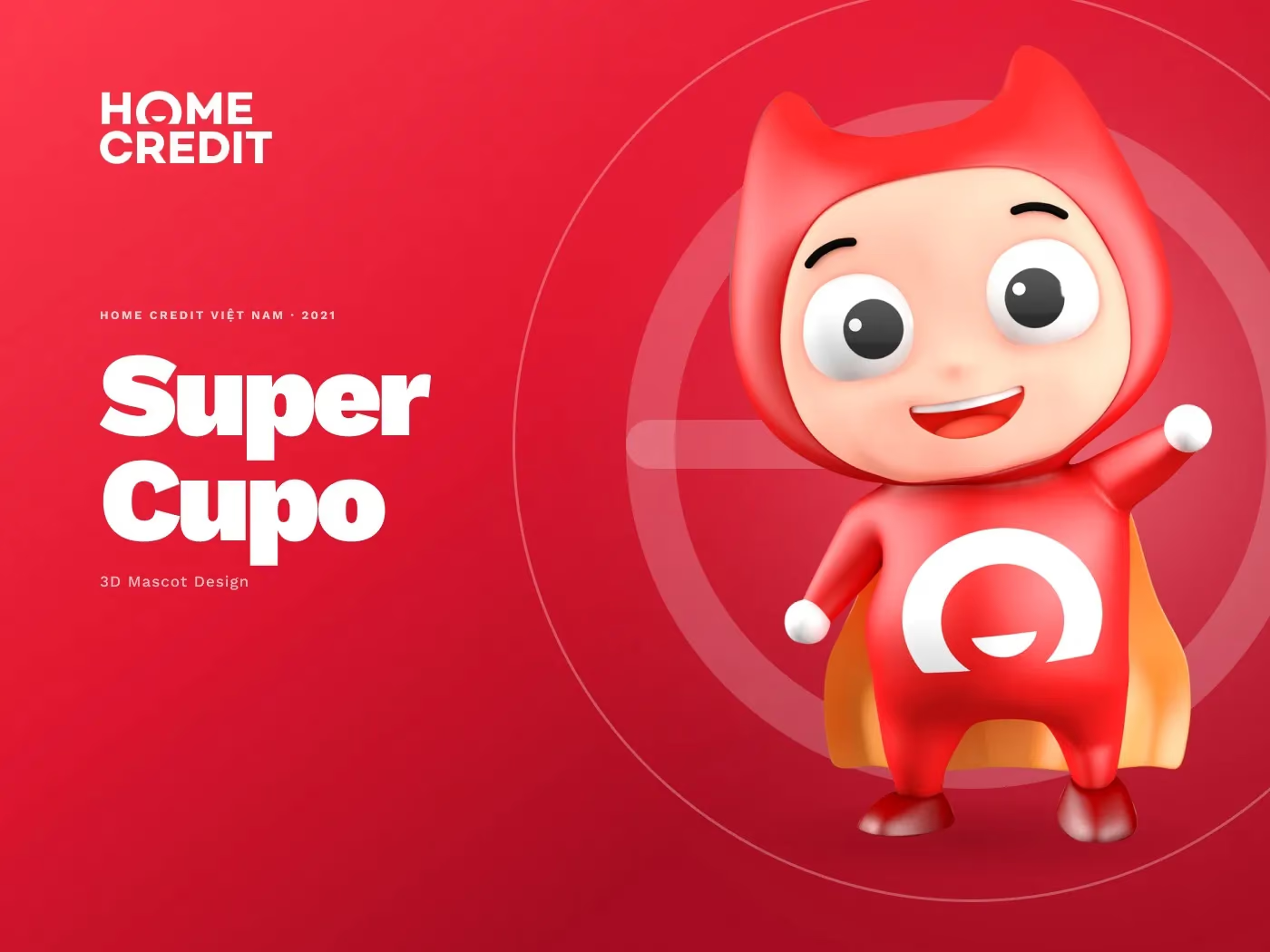
A 3D mascot is a set of assets rather than a single design. At launch you normally get eight to twelve poses with a model sheet, so another studio can add more later without redrawing the character. SuperCupo for Home Credit was delivered in 2021 as a model sheet, an eight-pose expression set and a render kit, and the same assets have run across campaigns since. If the mascot has to move, we can supply a rig-ready model on request.
A flat 2D character is more cost-efficient to extend and reads better at small sizes, so for a brand that lives mostly in app icons it can be the better choice. The longer account is in from clay to cape, and what to check in the character itself is in what makes a good brand mascot character.
How a quote gets built
It starts with the brief: five to seven minutes to fill in, read by a founder, with a proposal and quote following in two to three days. The form asks about everything above (scope, versions, what already exists, whether we look after the printer, when the work has to be live) and also for a rough budget, where “not sure yet” is an accepted answer. We build the quote from those answers.
If you are comparing agencies, give each of them the same brief. Figures that look far apart can cover different amounts of work, and the difference is often in what the quote leaves out. Other questions worth putting to each of them are in what to ask a creative agency in Vietnam before you hire them. For teams briefing from outside Vietnam, the for global brands page covers how a project like that is set up.