Change the primary pack only when the brand needs a story people will photograph, and only when the brief lands by April. Everything else — a gift box, a sleeve, a tin — buys most of the shelf impact at a fraction of the risk. This is the decision most Tết programmes get wrong in the first meeting, months before anyone opens a design file.
What “limited edition” actually commits you to
A limited edition changes the SKU itself: new carton or bottle decoration, new label, new finish. That single sentence carries three consequences the gift-box route does not.
It touches the production line, so it enters the same approval chain as a normal product change — regulatory paperwork, artwork sign-off, printer qualification. It cannot be decided late. And it has no fallback: if the artwork slips, the SKU does not ship. A gift box that arrives late still leaves a saleable bottle on the shelf; a late limited edition leaves a hole in the season.
That is the whole trade. Higher ceiling, no floor.
The calendar decides before the idea does
Brief in April, on shelf in October or November. Artwork locks around June or July, because rigid boxes, foil stamping and lacquer all queue at the same Vietnamese printers at the same time — and every other brand in the category is queuing with you. A pack approved in September is a pack fighting for press time.
If a brand arrives in July asking for a limited edition, the honest answer is to build a VAP this season and put the limited edition on next year’s calendar. We have given that answer more than once. The alternative is a rushed pack that reaches shelf two weeks into the gifting window, which is the same as not shipping it.
When it earns its cost
Four conditions, and they need to hold together:
The brand owns a shape worth reworking. Ballantine’s turned its own chevron into dragon scales for the Year of the Dragon — the festivity came out of brand geometry, not out of borrowed blossom. That is a limited edition with a reason to exist.
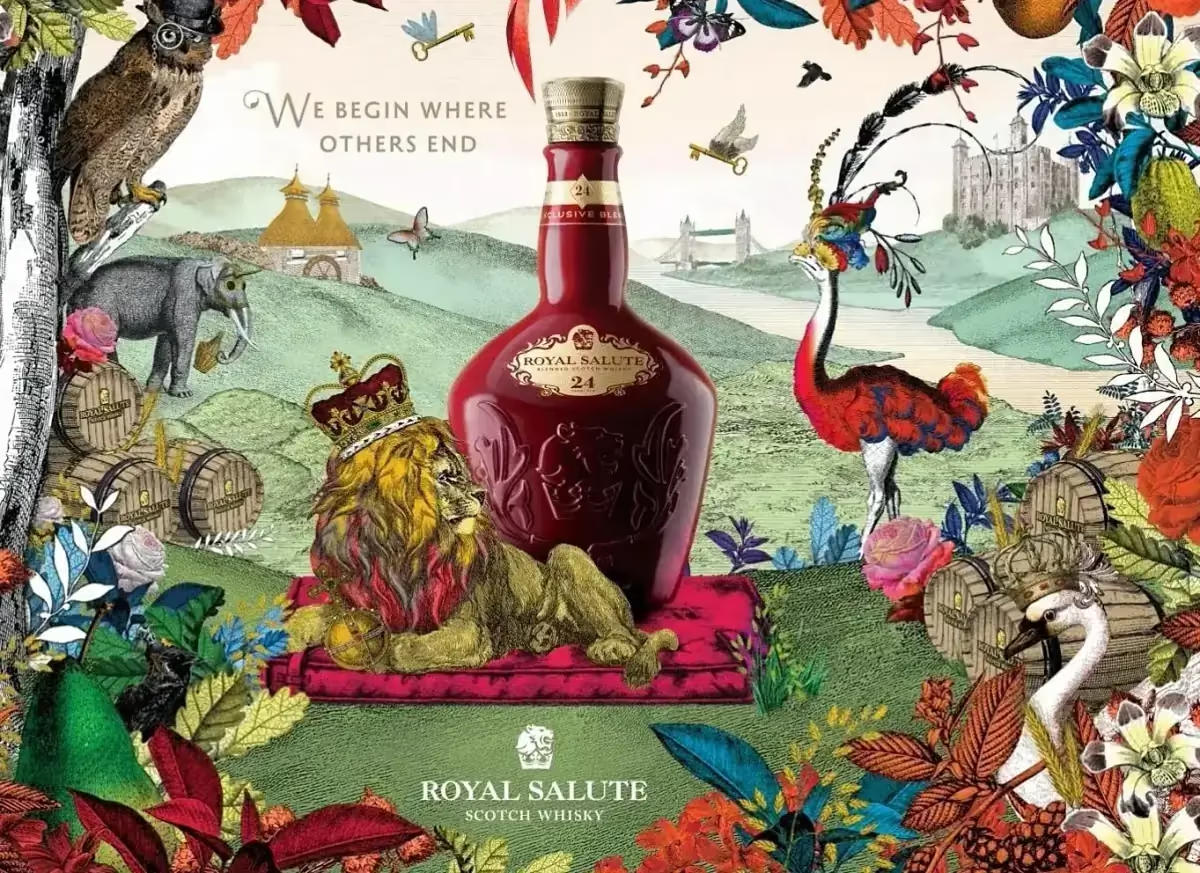
The range needs tiering. Royal Salute ran two tiers in one architectural system, so RS21 and RS24 read as one family on shelf without printing the same box twice. Limited edition works hardest when it sits at the top of a range and lifts what is below it.
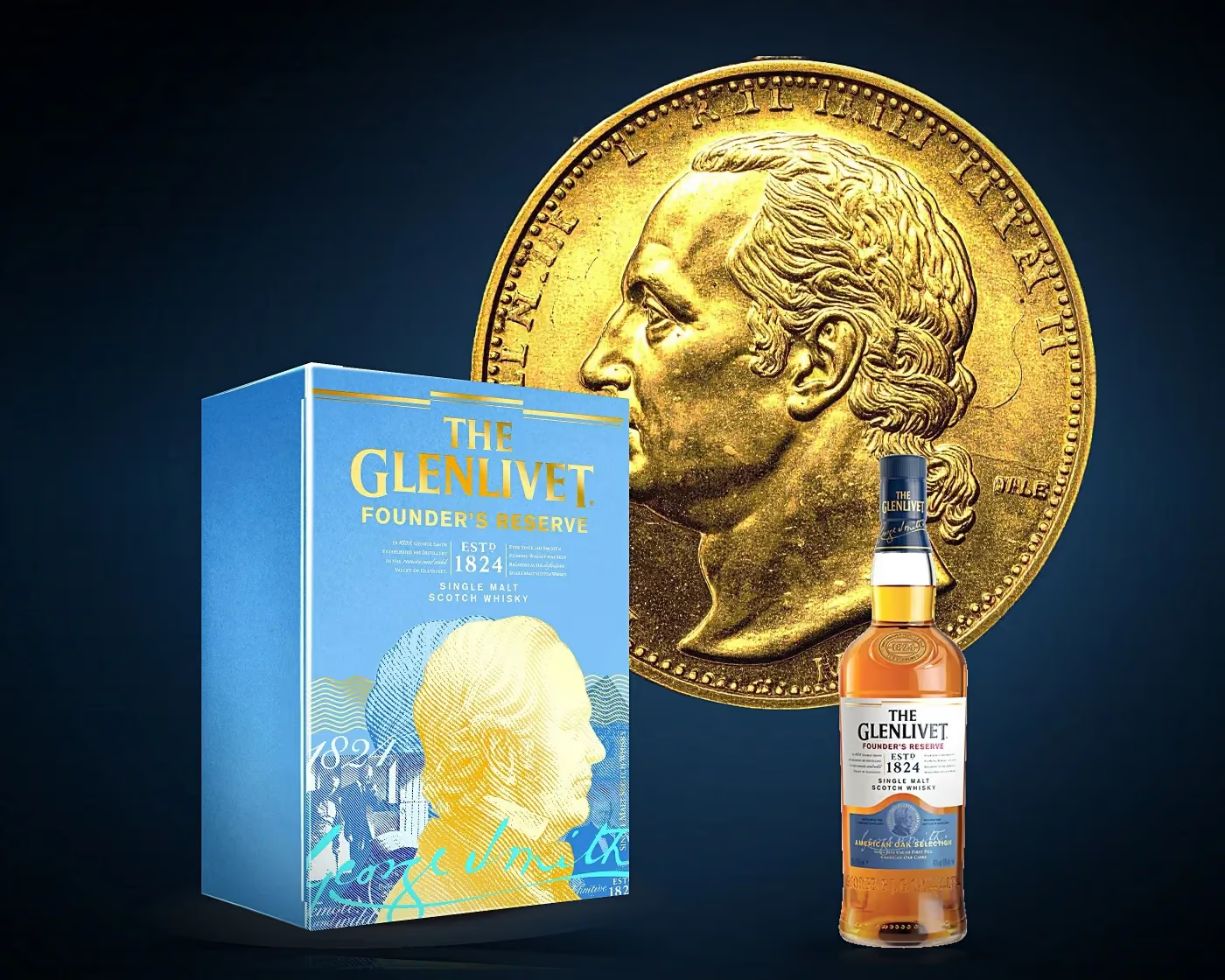
The story survives a second season. The Glenlivet carried its founder through three consecutive Tết programmes — 2023, 2024, 2025 — each one a different execution of the same idea. A limited edition designed to be used once is an expensive way to buy a month.
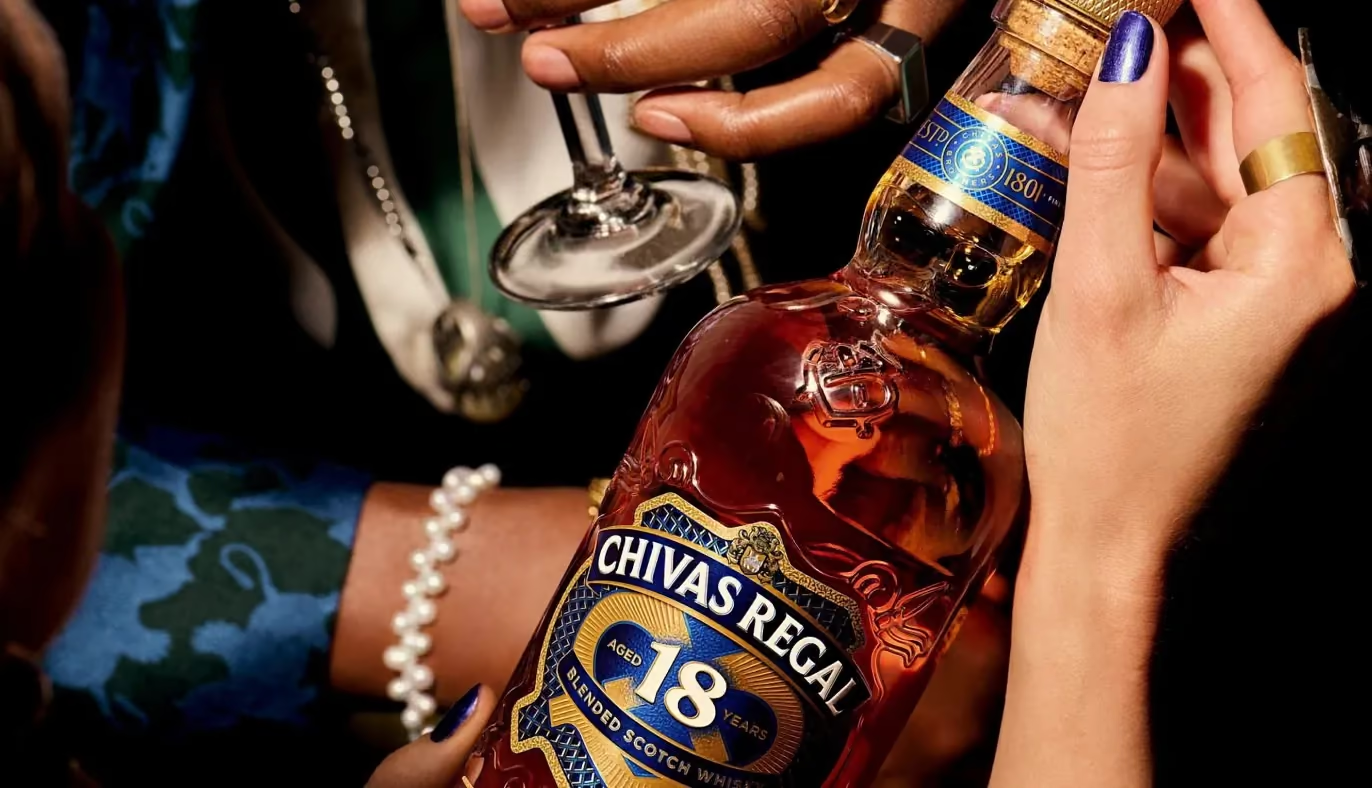
There is a portfolio to spread the risk across. Chivas Regal shipped eight gift packs across two Tết seasons on one fixed construction — five in 2025, three in 2026 — changing only the stone, and then the rosette folded from it. Fixing the structure and varying the surface is how you get limited-edition impact without limited-edition risk on every line.
The counter-example worth studying
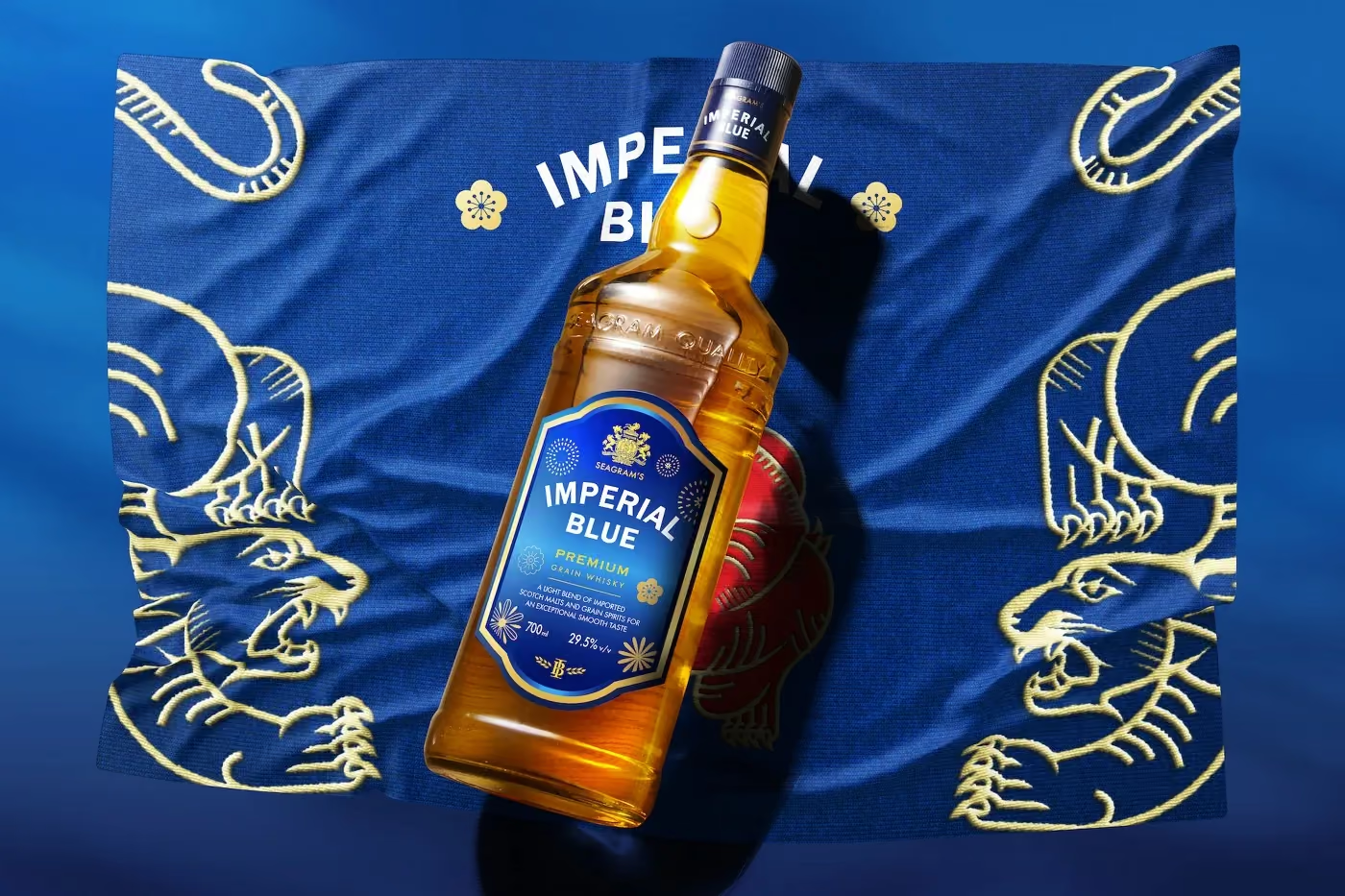
Imperial Blue went the other way for Tết 2022: one mainstream carton, no tiering, no premium finish. The design decision was that the pattern should run across the whole box so a row of them on shelf reads as one continuous scene rather than a repeated logo.
At mainstream price points that is the better answer. Shelf impact does not have to come from a more expensive pack; it can come from what happens when twelve of the same pack stand next to each other. Nobody photographs a single carton — but a whole shelf of them is the picture.
The five questions to settle first
- Which tier — limited edition, VAP or GWP? Each has a different calendar.
- What is the volume, and is the printer’s slot booked?
- Which channels: supermarket, specialist store, corporate gifting, or all three?
- Who approves, and how many rounds — including the global brand book?
- If this slips two weeks, what ships instead?
Question five is the one that gets skipped, and it is the one that decides the tier. A programme with no answer to it should not be a limited edition.
The full nine-month process, the tier definitions and what Vietnamese printers need in the file are in the Tết packaging playbook and the VAP, GWP and limited edition glossary.
Briefing from a global team? How spirits packaging in Vietnam differs from the same brand abroad covers what the pack is asked to do here that it is not asked to do at home.
For the rest of what moves cost on a Tết project, see what drives the cost of branding, packaging or mascot design in Vietnam.