Most shortlists of agencies in Vietnam start from a directory or an awards page, and by then every portfolio looks competent. A portfolio does not show how the work gets done: who picks up your brief, what happens to your brand book on the way to the shelf, and who is at the press when a proof comes back wrong. Here are the questions we would put to any branding or packaging agency in Ho Chi Minh City, ourselves included. The examples are from our own work, since those are the answers we can check.
Who does the work
Start with who will take your brief and who will design, and ask who hands the print files to the printer. In some agencies the people who pitch are not the people who do the job, so it is worth meeting the designer before you sign. Specialists such as a photographer, a 3D artist or a retoucher should be named per project, and the credit line on past work should say who did what. With us, the person who takes the brief also hands over the print files, and every case study carries a credit line.
Working inside your brand book
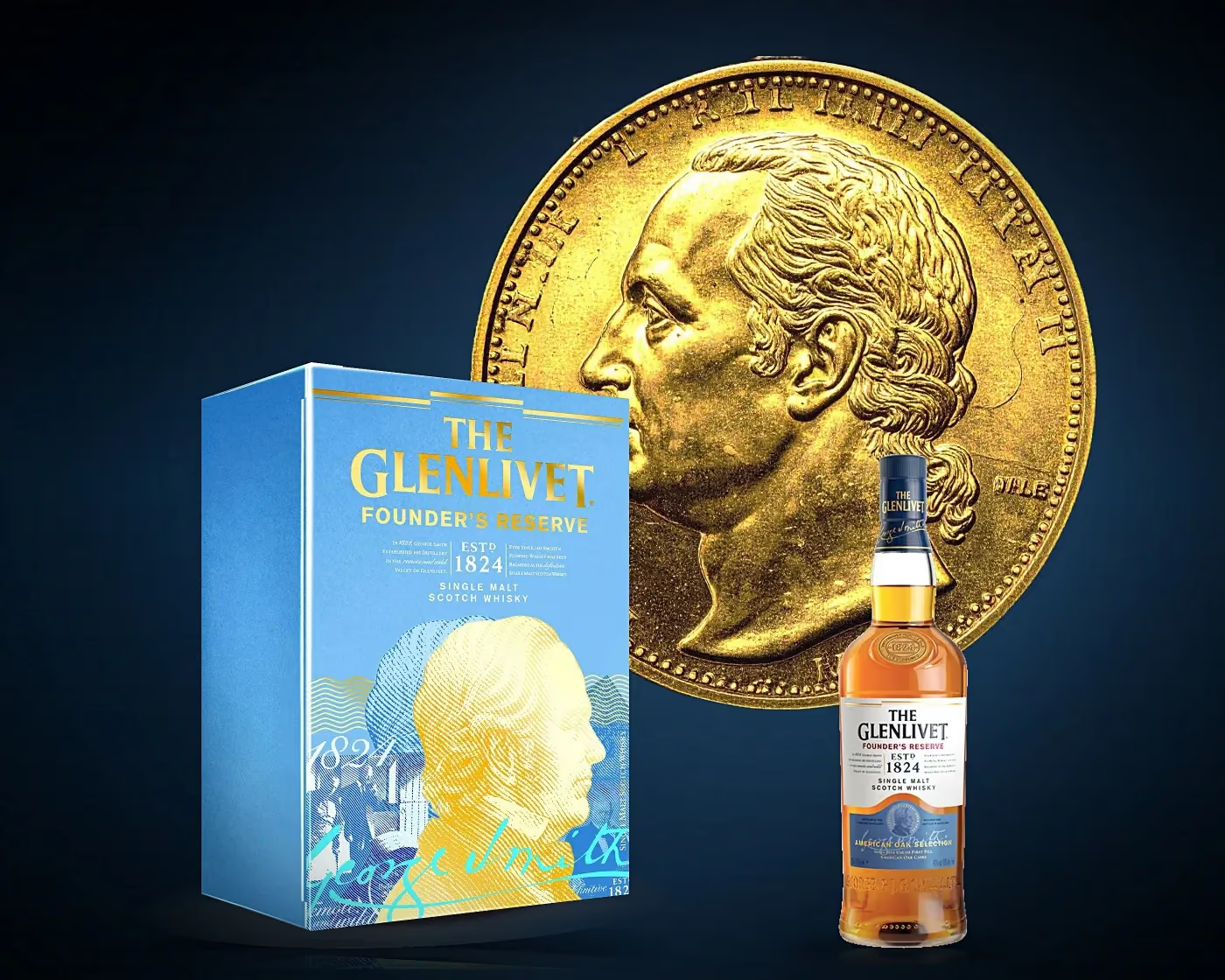
Global guidelines are often stricter than the local team expects, so ask to see a project where that happened and what the agency did about it. A convincing answer usually concerns a material, a finish or an existing brand asset, with the identity itself left alone. The Glenlivet’s global rules keep the masterbrand teal off special editions, and Ballantine’s took its chevron from the bottle instead of adding a new ornament. A portfolio made up of new identities says little about this. How it plays out for spirits at Tết is covered in how spirits packaging in Vietnam differs from the same brand abroad.
What you receive at the end
Ask for the contents of the handover in detail: print-ready files, dielines, material and finish specifications, colour proofs, and the name of whoever attends the press check. For a brand identity the list also includes working files and guidelines written for the people who will use them every day, such as marketing teams, partner agencies and printers.
Packaging tends to go wrong between the approved file and the machine, so ask who will be at the press when it does, and what each piece of artwork has to turn into. Brother’s key visual had to run on a billboard, a building LED, a full bus wrap, a shelf wobbler and the sticker on a toner box. If the answer to either question is “a PDF” or “the printer will sort it out”, keep asking. We don’t print ourselves, but we specify the job and stay with it through approval on press, as described on the packaging design page.
What is different in Vietnam
Some of what changes here is not obvious from outside. The rules differ by category: Santen’s eye drops are sold over the counter, and OTC regulation limits what they may claim, so the usual product argument was ruled out before the brief was written. Language matters on the pack as well. Tết lettering stacks Vietnamese diacritics, and a brand typeface that has never set them may switch to a fallback face without anyone noticing, so ask the agency to set a real string (ơ ư ờ ớ ở ỡ ợ) in your typeface at display size. We test every type system we ship against the full set of Vietnamese diacritics.
Then there is the calendar. For spirits the brief goes in around April, the artwork locks around June or July, and the packs reach the shelf in October or November, because rigid boxes, foil and lacquer queue at the same printers in the same weeks. If an agency says a new Tết pack can start in September, ask how the printing will be scheduled. The full nine months are laid out in the Tết packaging playbook.
The first few weeks
Ask to see the sequence of the first weeks with dates. Our process has five steps: brief, proposal, concept, refinement and production. In the first conversations, look for questions about the shelf, the channel, the print specification and who has to approve, as well as the budget. A quote that arrives within the hour on a one-line email was probably not written by someone who has thought about the job, and eight concept directions with no recommendation leave the decision with you. What goes into a quote is set out in what drives the cost of branding, packaging or mascot design in Vietnam.
Distance matters as well. Singapore and Tokyo share most of the working day with Ho Chi Minh City, while Paris and London share a few hours of it. For the Americas the working days do not overlap, so ask for a named contact and notes after each call, and find out what happens while you are asleep.
Results you can report
Work gets reported upward. Ask which numbers you can take into your own review, and whose numbers they are. The ones that carry weight are the figures the client reported itself, measured against a KPI agreed before the first post. Santen’s always-on social reached 1.4 million, with organic reach up 724.8% and 193% of the views KPI. Comfee’s campaign ran to 6.98 million impressions with engagement rate up 476%, and every media line finished over target. Both sets are the clients’ own reporting, shared with permission. Impressions without a baseline, or an award with no brief behind it, tell you much less. The two campaigns are described in social for global brands entering Vietnam.
If you are planning work in Vietnam against a deadline in another time zone, the for global brands page describes how we work with regional teams.